Dental Implants · 8 min read
Dental Implants: What They Are, How They Work, and What to Expect
- Written by
- 1PleasantonDentist Editorial Team, Editorial team
- Reviewed by
- Editorial team
Image: Logicwhatelse · BY-SA 4.0 · Source
Thinking about dental implants? Here's a plain-English guide to how they work, who can get them, what the surgery is really like, and how long they last.
What Are Dental Implants?
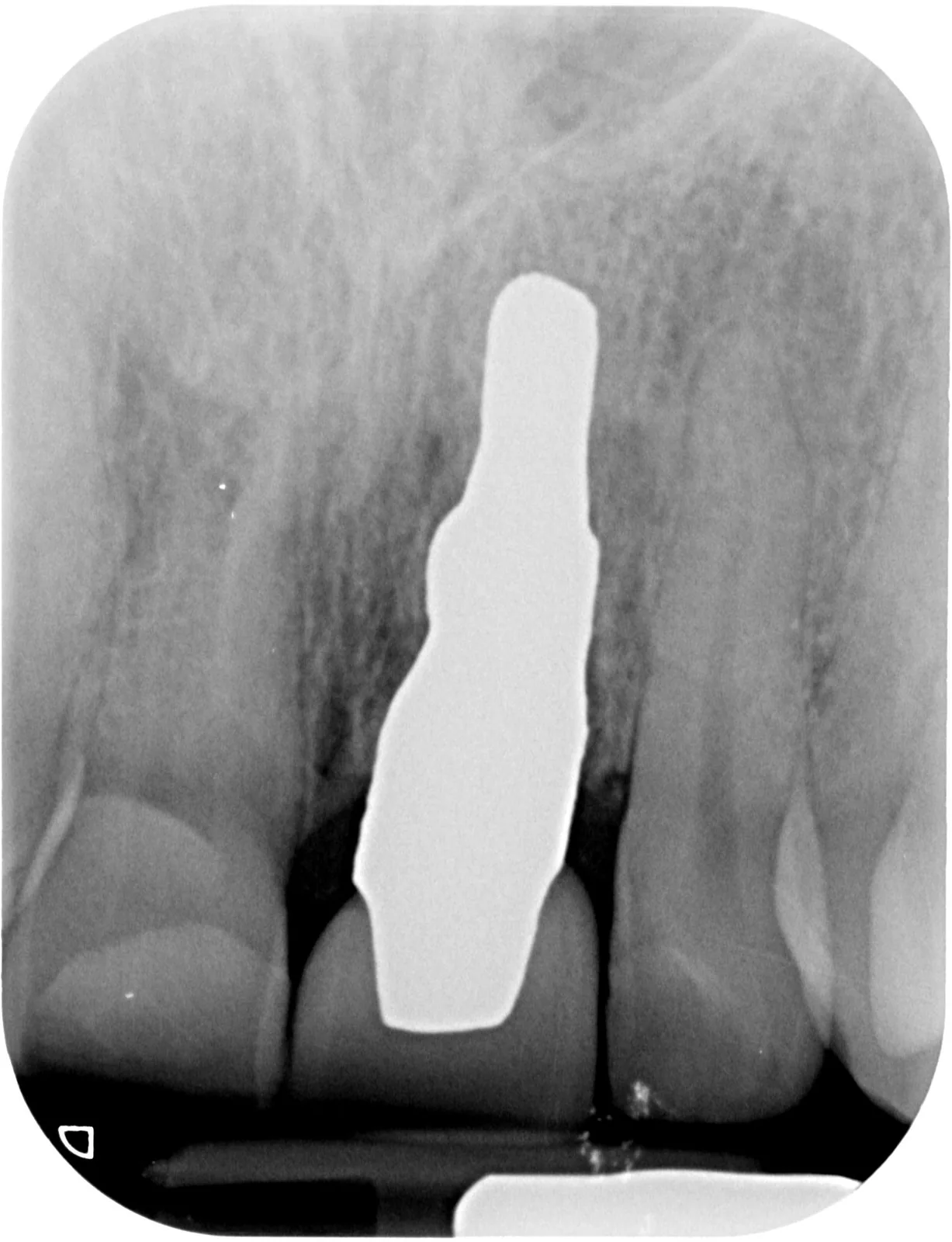
A dental implant isn't the tooth you see when you smile. That part — the white, tooth-shaped piece — is called the crown, and it gets attached later. The implant itself is the post underneath, usually shaped like a small screw, that gets placed directly into your jawbone where the tooth root used to be.
Your jawbone doesn't just sit there and hold the post like a nail in drywall. Over a period of weeks to months, living bone actually grows around and fuses to the implant surface. Dentists call this process osseointegration, and it's the reason implants feel and function so much like a real tooth once everything has healed. A denture sits on top of your gums. A [dental bridge](/dental-implants/dental-bridges/) relies on the teeth next to the gap. An implant, once it's fully healed, is anchored the way your original tooth was.
### Types of Dental Implants
Most people only ever hear about one kind of implant, but there are a couple of different approaches depending on your situation.
Endosteal implants are the standard option and the one most people picture when they hear "dental implant." These are the screw-shaped posts placed directly into the jawbone. If your jawbone is healthy and thick enough, this is almost always the first choice.
Subperiosteal implants are less common these days, mostly used for patients whose jawbone has thinned out too much for a standard implant and who don't want or can't have [bone grafting for dental implants](/dental-implants/bone-grafting-sinus-lift-dental-implants/) first. Instead of going into the bone, a metal frame sits on top of the jawbone, under the gum tissue, with posts sticking through the gum to hold the replacement teeth.
There's also a size distinction worth knowing about. Standard implants are the typical width and are used for most tooth replacements. Mini dental implants are noticeably thinner — sometimes less than half the diameter of a standard implant — and are often used to stabilize a loose denture or in spots where the jawbone is too narrow for a standard-size post.
### What Dental Implants Are Made Of
The material question comes up a lot, usually from people who are a little nervous about having metal permanently placed in their body. Fair concern.
Titanium is the material used in the large majority of dental implants, and it has been for decades. It's the same category of metal used in hip and knee replacements. Titanium is biocompatible, meaning the body generally doesn't reject it or react to it the way it might react to a foreign object, and it bonds unusually well with living bone.
Zirconia is the newer alternative, made from a ceramic material rather than metal. Some patients choose zirconia because it's tooth-colored all the way through, which can matter if you have thin gum tissue and are worried about a gray shadow showing through near the gumline with a titanium post. Zirconia implants are also metal-free, which appeals to people who specifically want to avoid metal in their mouth.
Both materials have a long track record. Neither one is automatically "better" — it depends on your specific mouth, your dentist's experience with each material, and sometimes personal preference.
Am I a Candidate for Dental Implants?
This is usually the question people actually came here to ask, even if they typed something else into the search bar.
In general, a good candidate has enough healthy jawbone to support an implant, healthy gums, and no uncontrolled conditions that would seriously interfere with healing. That's the textbook answer. The real answer is more nuanced, because very few people are a flat "yes" or "no" — most fall somewhere in between, and that's exactly what a consultation and imaging appointment is for.
### Who Shouldn't Get Dental Implants
A few situations tend to make implants riskier or sometimes not advisable at all:
- Significant, untreated bone loss in the jaw, without a bone graft to rebuild it first - Active, untreated gum disease - Uncontrolled diabetes, since high blood sugar can slow healing and increase infection risk - Heavy smoking, which reduces blood flow to the gums and bone and is one of the more well-documented risk factors for implant failure - A history of radiation treatment to the jaw - Certain bone-affecting medications, such as some bisphosphonates used for osteoporosis, which your dentist and doctor would need to discuss together
None of these are automatic disqualifiers on their own. A person with well-managed diabetes, for example, is often still a reasonable candidate. It's really about how well-controlled the underlying condition is, not the diagnosis by itself.
### Can People With Autoimmune Disease Get Implants?
Often, yes. Autoimmune conditions vary enormously in how they affect the body, so this isn't a single yes-or-no answer. Someone with well-managed rheumatoid arthritis may heal from implant surgery just fine. Someone with a condition that's actively flaring, or who's on certain immune-suppressing medications, may need extra precautions or a different treatment timeline. This is exactly the kind of question worth bringing directly to both your dentist and your physician before moving forward, since they'll need to look at your specific medications and disease activity.
### Age Considerations
There's no upper age limit for dental implants. Plenty of people get implants in their 70s, 80s, and beyond, and age by itself isn't a barrier as long as the person is healthy enough for the procedure and has adequate bone.
The lower end is different. Implants generally aren't placed until the jaw has finished growing, which is usually somewhere in the late teens for most people. Placing an implant too early, while the jawbone is still developing, can cause problems down the road because the implant itself won't move or grow the way natural teeth do as the jaw continues to shift.
Benefits of Dental Implants
Ask people who've had one done and you'll hear a fairly consistent list of reasons they're glad they did it.
Implants function like real teeth for biting and chewing, which is a genuine step up from a removable denture that can shift while you're eating. They don't rely on the teeth next to the gap for support the way a traditional bridge does, so those neighboring teeth don't have to be filed down or take on extra stress. Because the implant stimulates the jawbone the same way a natural tooth root does, it also helps prevent the bone loss that tends to happen in the jaw after a tooth is missing for a long time — something dentures can't do, since they just sit on top of the gum.
There's also a simpler, less clinical benefit: for a lot of people, implants just feel less like "dental work" and more like getting their tooth back. You brush and floss them like normal teeth. You don't take them out at night. You forget they're there, which is honestly the goal.
Risks and Safety Considerations
No procedure is risk-free, and it's worth being straight about that instead of pretending implants are a guaranteed fix.
### Risks Associated With Dental Implant Systems
The most talked-about risk is implant failure, where the bone doesn't properly fuse to the post, or fuses and then later fails due to infection or excess stress on the implant. Infection at the surgical site is possible, as it is with any surgery. There's also a small risk of nerve damage if an implant is placed too close to a nerve, which can cause numbness or tingling in the lip, chin, or tongue — this is uncommon with proper imaging and planning, but it's a real risk worth knowing about. In upper jaw implants, there's a risk of the implant protruding into the sinus cavity if there isn't enough bone height, which is one reason a sinus lift is sometimes needed first.
### How Dental Implants Are Evaluated for Safety
Dental implant systems are regulated medical devices in the United States, which means manufacturers have to demonstrate safety and effectiveness data before a device reaches the market. That doesn't mean every implant procedure is risk-free — it means the devices themselves go through a formal safety evaluation process before dentists are using them on patients at all.
### Reporting a Problem With Your Implant
If something feels wrong after getting an implant — ongoing pain, looseness, swelling that isn't improving, or anything that doesn't match what your dentist told you to expect — the first step is always contacting the dentist or surgeon who placed it. Beyond that, device-related problems can also be reported through the FDA's MedWatch program, which tracks safety issues with medical devices, including dental implant systems. Most people will never need to do this, but it exists as a real option if something seems off with the device itself rather than just normal healing discomfort.
How to Prepare for Dental Implant Surgery
Preparation usually starts weeks before the actual surgery date, not the day before.
Your dentist or oral surgeon will typically take X-rays or a 3D scan (often called a CBCT scan) to measure the exact amount of bone available and map out where nerves and sinuses sit, so the implant can be placed precisely. If you take blood thinners, your dentist will coordinate with your physician about whether and how to adjust them around the surgery date. Smokers are often advised to cut back or quit in the weeks before and after surgery, since smoking measurably slows healing. You'll also usually get instructions about eating and any sedation plans beforehand, especially if you're having IV sedation rather than just local anesthesia.
It's worth asking, at this stage, exactly how many appointments the whole process will take for your specific case — bone grafting, if needed, can add months to the front end of treatment, and it's much easier to plan around that if you know upfront.
The Dental Implant Procedure
Here's where a lot of the anxiety lives, so let's walk through it plainly.
### Bone Grafting (When Required)
If your jawbone has thinned out — often from a tooth that's been missing for a while, or from gum disease — you may need a bone graft before the implant itself can be placed. This involves adding bone material to the area and then waiting, sometimes for several months, for that new bone to become strong enough to support an implant. Not everyone needs this step. If your bone is already adequate, you skip straight to placement.
### Implant Placement Surgery
This is typically done under local anesthesia, sometimes with additional sedation depending on the complexity and your comfort level. The dentist makes a small incision in the gum, drills a precise channel into the bone, and places the implant post. Most single-implant placements take somewhere around one to two hours, though full-mouth or multiple-implant cases take longer.
### Healing Phase (Osseointegration)
After placement, the implant needs time to fuse with the bone before it can safely support a crown. This typically takes a few months — often cited as roughly three to six months, though it varies by person, by jaw location, and by bone quality. During this time, you may have a temporary tooth in place so you're not walking around with a visible gap.
### Placing the Abutment
Once osseointegration is complete, a small connector piece called an abutment is attached to the top of the implant post. This is sometimes done during the same surgery as the implant placement and sometimes as a separate minor procedure, depending on the case and the dentist's preferred approach.
### Choosing and Placing the Final Crown
Finally, a custom-made crown — matched to the color and shape of your other teeth — is attached to the abutment. This is usually the step where the process finally feels "done," since it's the first time you're looking at a finished tooth rather than a healing site.
Recovery and Outlook
### How Long Recovery Takes
Initial surgical recovery — the swelling, soreness, and any bruising from the placement surgery itself — usually settles down within about a week to ten days. The deeper healing, where the bone actually fuses to the implant, takes much longer, generally in the range of three to six months, sometimes longer for the upper jaw or in cases involving bone grafting.
### How Long You Go Without Teeth During Treatment
This depends heavily on your specific plan. Some cases use a temporary crown or partial denture immediately, so you're never without a visible tooth. Other cases, especially ones involving bone grafting, may have a longer stretch where a removable temporary is used while the site heals underneath. This is a completely reasonable thing to ask about directly during your consultation, since it affects daily life more than almost any other part of the process.
### How Long Dental Implants Last
This is one of the strongest selling points of implants compared to other options. With good oral hygiene and regular dental checkups, implants themselves — the titanium or zirconia post — often last decades, and many are designed to last a lifetime. The crown on top may eventually need replacement due to normal wear, typically after ten to fifteen years or so, but that's a much smaller repair than replacing the whole implant.
### When to Call Your Dentist
Reach out if you notice increasing pain instead of gradually improving pain, visible swelling that's getting worse rather than better, a bad taste or odor near the implant site, the implant or crown feeling loose, or a fever after the procedure. Some soreness and mild swelling in the first several days is normal. Worsening symptoms, or symptoms that show up well after the initial healing period, are not.
How Painful Is Getting a Dental Implant?
Most people describe the surgery itself as far less uncomfortable than they expected, mainly because it's done under local anesthesia, so you shouldn't feel sharp pain during the actual procedure. The discomfort tends to show up afterward, once the numbness wears off — usually described as soreness, pressure, or mild-to-moderate pain, similar to what you'd feel after a tooth extraction, rather than anything dramatic. Over-the-counter pain relievers are often enough to manage it, though your dentist may prescribe something stronger for the first day or two depending on the complexity of your case. By about a week out, most people report feeling back to normal.
Frequently Asked Questions About Dental Implants
Do dental implants feel like real teeth? Once fully healed, most people say implants feel very close to a natural tooth, especially compared to a removable denture. You brush and floss them normally, and they don't shift while eating. Some people notice a slight difference in sensation since implants don't have the same nerve feedback as a natural tooth root, but most describe this as barely noticeable in daily life.
Can a dental implant fail years after it was placed? Yes, though it's not the norm. Late implant failure can happen due to gum disease around the implant (sometimes called peri-implantitis), excessive bite stress, or bone loss over time, especially if oral hygiene around the implant has slipped. Regular dental checkups are the main way to catch early warning signs before they become a bigger problem.
Is one dental implant enough to replace several missing teeth? Sometimes. A single implant typically replaces a [single tooth](/dental-implants/single-tooth-implant/), but implants can also be used to anchor a bridge or a full denture, meaning a smaller number of implants can support several replacement teeth at once. This is a common approach for people missing multiple teeth in a row or an entire arch.
Will insurance cover dental implants? Coverage varies a lot by plan. Some dental insurance plans cover a portion of implant costs, especially if the plan considers it medically necessary rather than purely cosmetic, while others exclude implants entirely or only cover the crown portion. It's worth calling your insurance provider directly and asking specifically about implant coverage before starting treatment.
What happens if I don't replace a missing tooth at all? The gap doesn't just sit there unchanged. Nearby teeth can gradually shift into the empty space, the opposing tooth in the other jaw can over-erupt since it no longer has anything to bite against, and the jawbone in that area tends to shrink over time without a tooth root to stimulate it. None of this happens overnight, but it's the reason dentists generally recommend addressing a missing tooth rather than leaving it indefinitely.
For deeper dives inside this topic cluster, see our guides to [dental implant cost](/dental-implants/dental-implant-cost/), [single tooth implants](/dental-implants/single-tooth-implant/), [full mouth dental implants](/dental-implants/full-mouth-dental-implants/), and [dental implant alternatives](/dental-implants/dental-implant-alternatives/).